.png)



A New Playhouse for London: 125 Years of Live Performance
JOIN US FOR A PARTY 125 YEARS IN THE MAKING!
Backstage Bash returns to celebrate 125 years of live performance in downtown London.
Buy tickets now
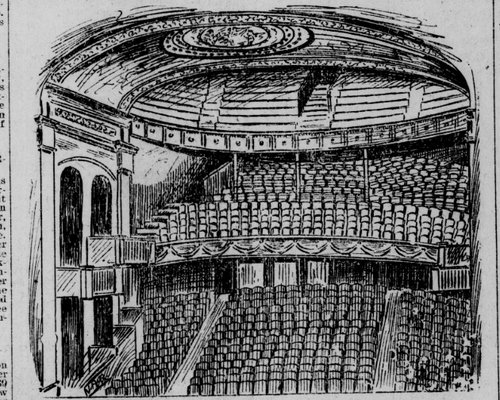
On September 9, 1901, Way Down East became the very first production staged at the New Grand Opera House at 471 Richmond Street. In the 125 years that have followed, this building has been a home for community and culture in the heart of Downtown London.
A NEW PLAYHOUSE FOR LONDON
1901-1919
After a fire destroyed London’s previous Grand Opera House the year prior, Colonel Whitney and theatre magnate Ambrose J. Small built a new theatre. Fitted with electricity, the New Grand Opera House could house up to 1,850 patrons for one performance, had its own phone number (176), and boasted a striking proscenium arch, painted by muralist Frederick S. Challener.
HYBRID STAGE AND MOVIE HOUSE ERA
1920-1933
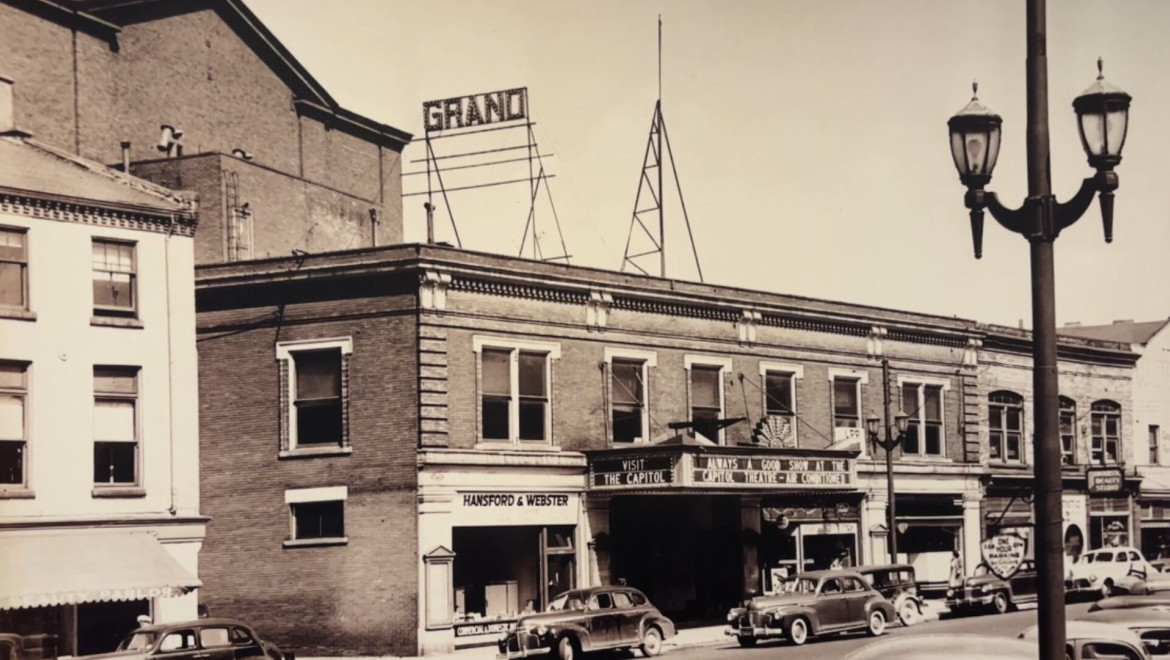
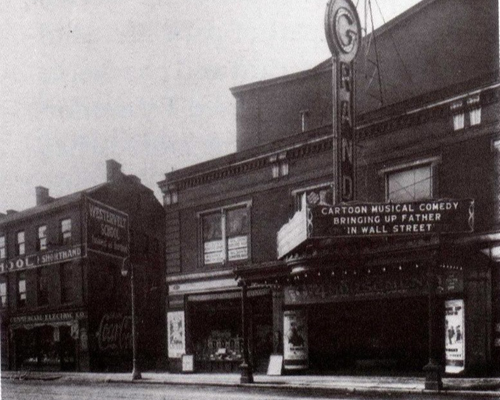
After the sale of the Grand and the famed disappearance of Ambrose J. Small, John Mihinnick – the Dean of Canada’s showmen – saw the Grand through changes of ownership and competed for audiences with radio and film. The Grand screened movies, explored “movie technology in combination with stagecraft,” and continued to offer live theatre.
LONDON LITTLE THEATRE ERA
1934-1971
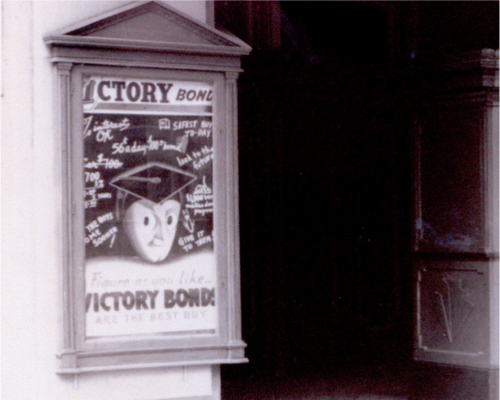
With ticket sales down during the Great Depression, local theatre companies banded together to become London Little Theatre, adopting a subscriptions-only approach to ticket sales that allowed them to raise funds to support the season. A decade later, London Little Theatre purchased the building and became the first amateur theatre company in Canada to own their theatre. In 1952, rumours of a supernatural being living within the Grand began to circulate.
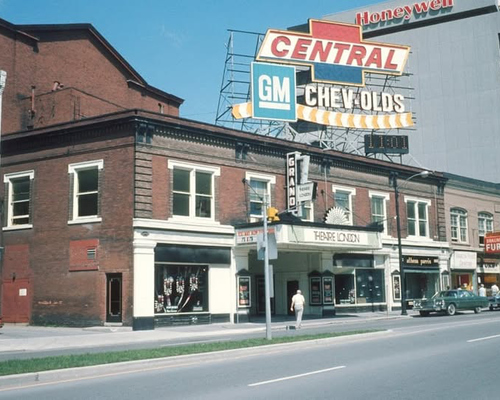
THE THEATRE LONDON ERA
1971-1985
After 37 years as the home of an amateur theatre company, the Grand would become a professional theatre, Theatre London, helmed by Artistic Director Heinar Piller. Piller felt that the building needed to keep pace with the exceptional art on stage, and a major renovation took place from 1977-1979, adding a second stage, the McManus Studio Theatre, and demolishing much of the old building except for the main stage and its famed proscenium arch. In 1983, Theatre London became known as the Grand Theatre forging an inseparable bond between the building and the professional theatre company that calls it home.
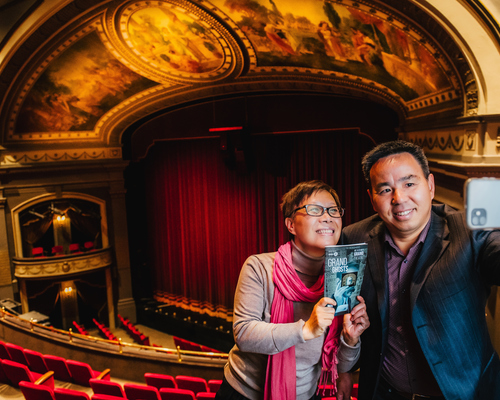
THE GRAND THEATRE ERA
1986-present
Following tremendous growth and tremendous debt, the Grand Theatre company wiped the slate clean in 1986, marking a period of financial strength. For five decades and counting, the building has been London, Ontario’s regional professional theatre. In 2017, an historic $1M donation from Andy and Helen Spriet inspired the renaming of the main stage to the Spriet Stage. In 2020, a third major renovation took place modernizing the lobby spaces and enhancing backstage areas, rehearsal halls, and the studio theatre, all in service of a bright future for the performing arts in the region.