.png)



A New Playhouse for London: 125 Years of Live Performance
Join the Storytelling
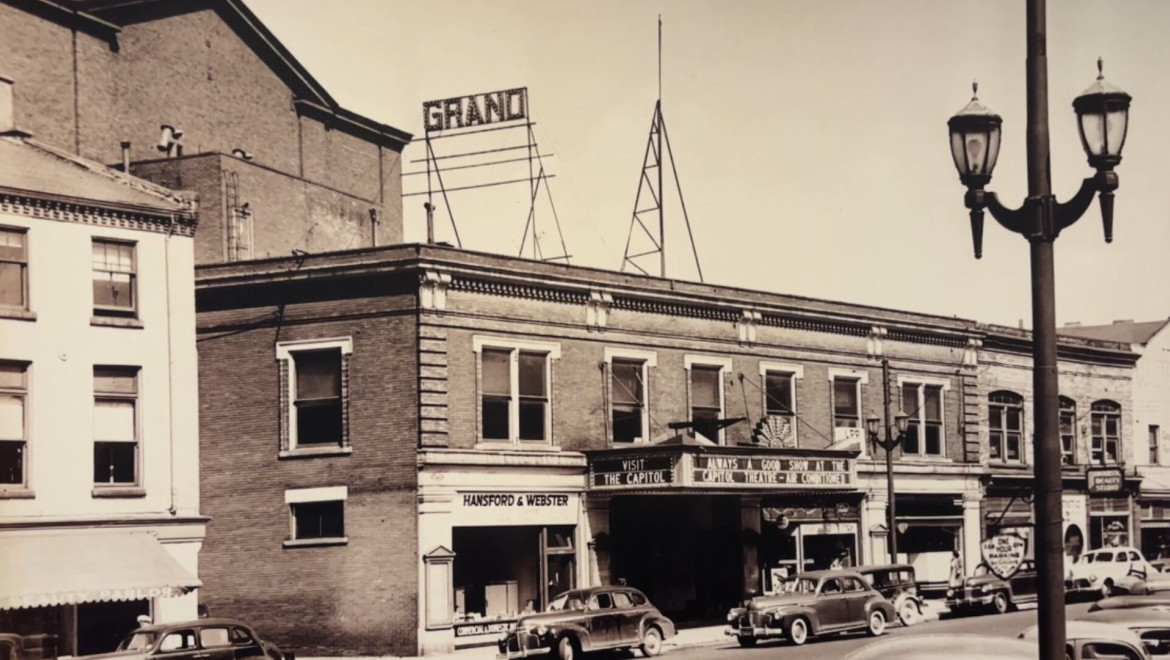
The New Grand Opera House at 471 Richmond Street opened on September 9, 1901 with a performance of Way Down East. In the 125 years that have followed, this building has been a home for community and culture in the heart of Downtown London.
We invite you to discover the people, places, and moments that have shaped the Grand – and to consider the role you will play in its future. Explore chapters of our shared history displayed through our lobbies this season – from the Grand Theatre’s very beginning in 1901 and a sudden, infamous disappearance, to the years and achievements of London Little Theatre, through the transition to one of Canada’s leading professional theatre companies.
Before the Grand Was Here
This land has been home to storytellers since time immemorial, and is located on the traditional territories of the Anishinaabek, Haudenosaunee, and Lūnaapéewak Peoples. Close to Deshkan Ziibing (Antler River), this Land is a home and gathering place for the neighbouring First Nations: Chippewas of the Thames First Nation; Oneida Nation of the Thames; and the Munsee-Delaware Nation.
In the late 1700s, European nations began colonial settlement in the area. A series of treaties and agreements shaped relationships to the Land, including the McKee Treaty of 1790, the London Township Treaty of 1796, and the Huron Tract Treaty of 1827 with the Anishinaabeg. Earlier agreements include the Two Row Wampum Belt Treaty of the Haudenosaunee Confederacy/Silver Covenant Chain, the Beaver Hunting Grounds of the Haudenosaunee NANFAN Treaty of 1701, and the Dish with One Spoon Covenant Wampum between the Anishinaabek and Haudenosaunee.
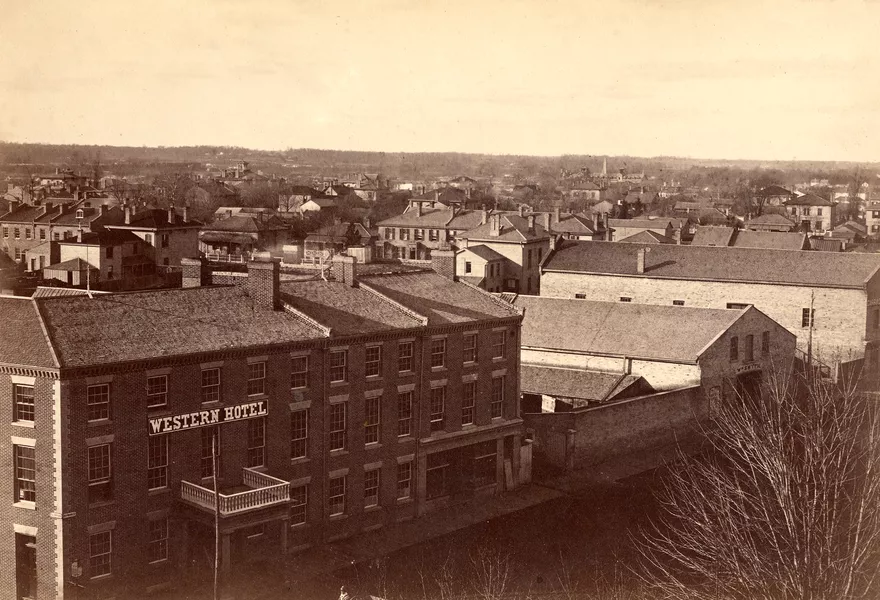
Before it was addressed as such, 471 Richmond Street was the site of the cemetery of St. Peter’s Church (now Cathedral Basilica). Later, stables for the next-door Western Hotel were built at this location. The New Grand Opera House at 471 Richmond Street opened on September 9, 1901.
"Although he calls himself a skeptic, [Rob Wellan] says he won't be surprised if workmen excavating a new basement under the theatre auditorium do find evidence of a skeleton or skeletons. Historical records show that the Grand was built on the site of an early London graveyard. The cemetery of St. Peter's church – now St. Peter's Basilica – once extended southwest from the corner of the present church property across the Richmond-Dufferin intersection where the Grand now stands."
London Free Press, August 14, 1976.
1901 - 1919
From Fire Came Opportunity
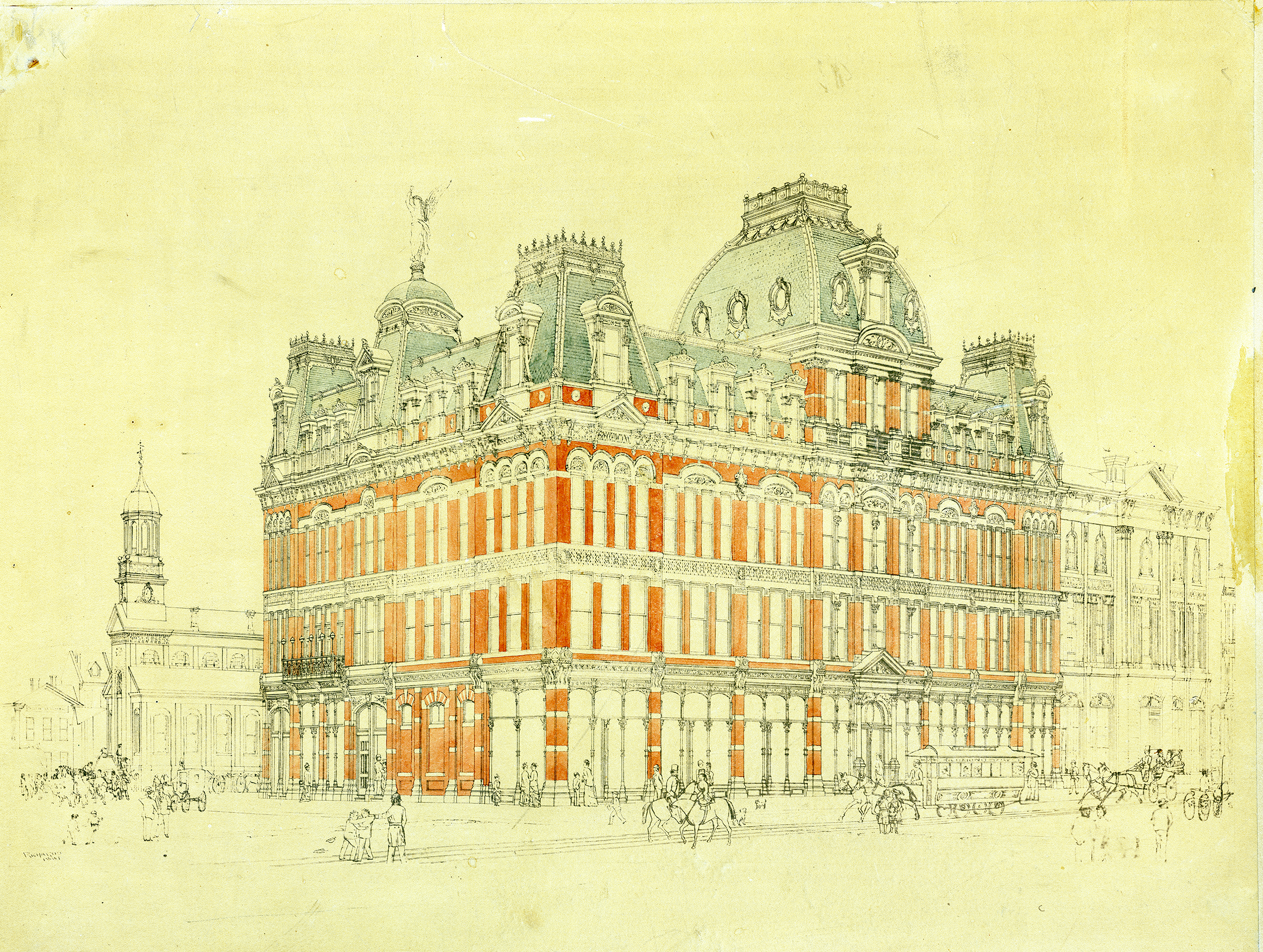
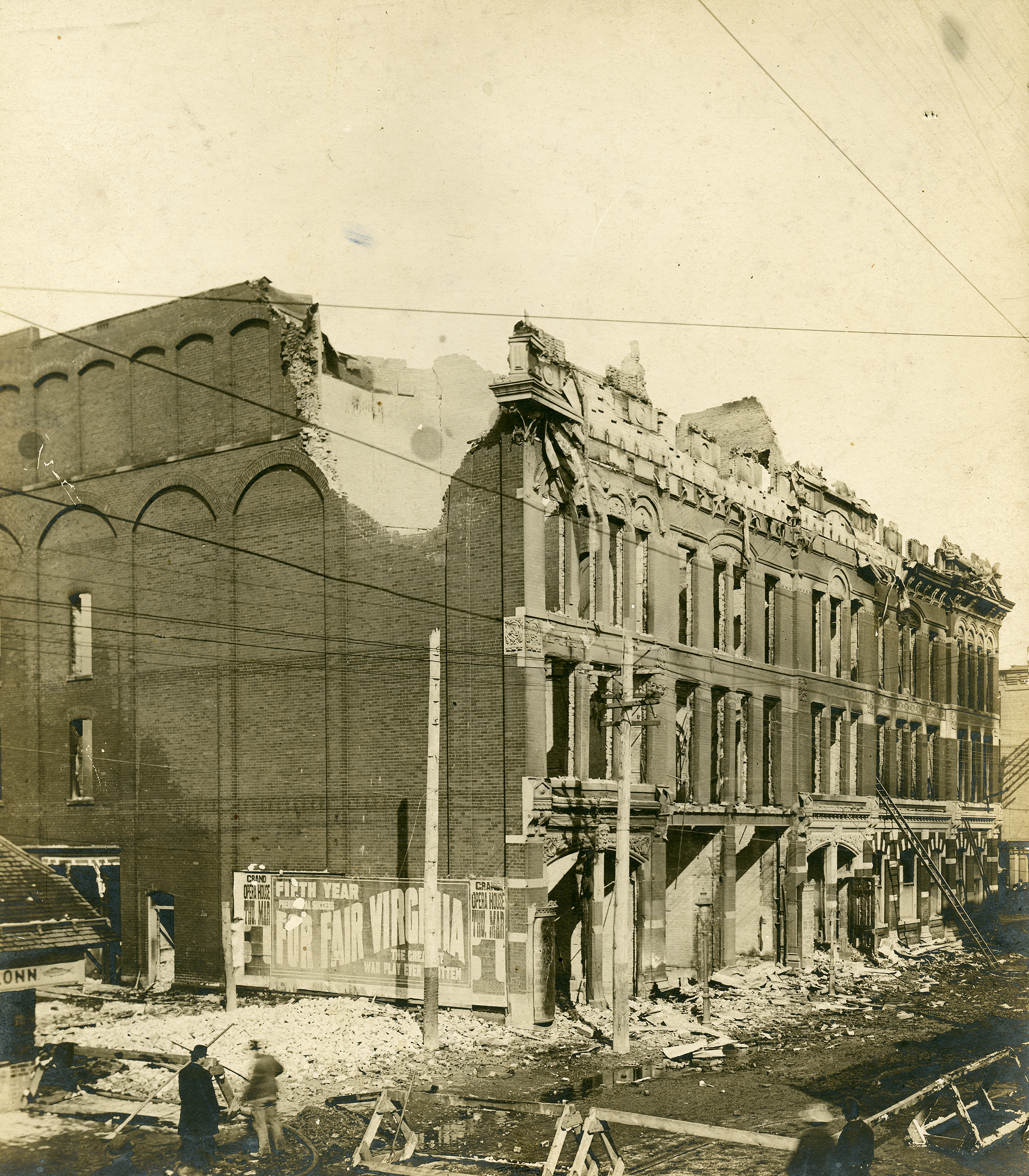
When fire destroyed London's Grand Opera House in February 1900, the city lost one of its most important gathering places. But from the ashes came an even greater vision.
Determined that London deserved a theatre equal to those in Canada's largest cities, businessman C.J. Whitney and theatre impresario Ambrose J. Small set out to build a magnificent new opera house on Richmond Street.
“London will gain by the fire today so far as we are concerned. Yes, by next season we will have a new Opera House here.”
Mr. Whitney, son of Grand Opera House lessee C.J. Whitney, The Daily Free Press, February 26, 1900.
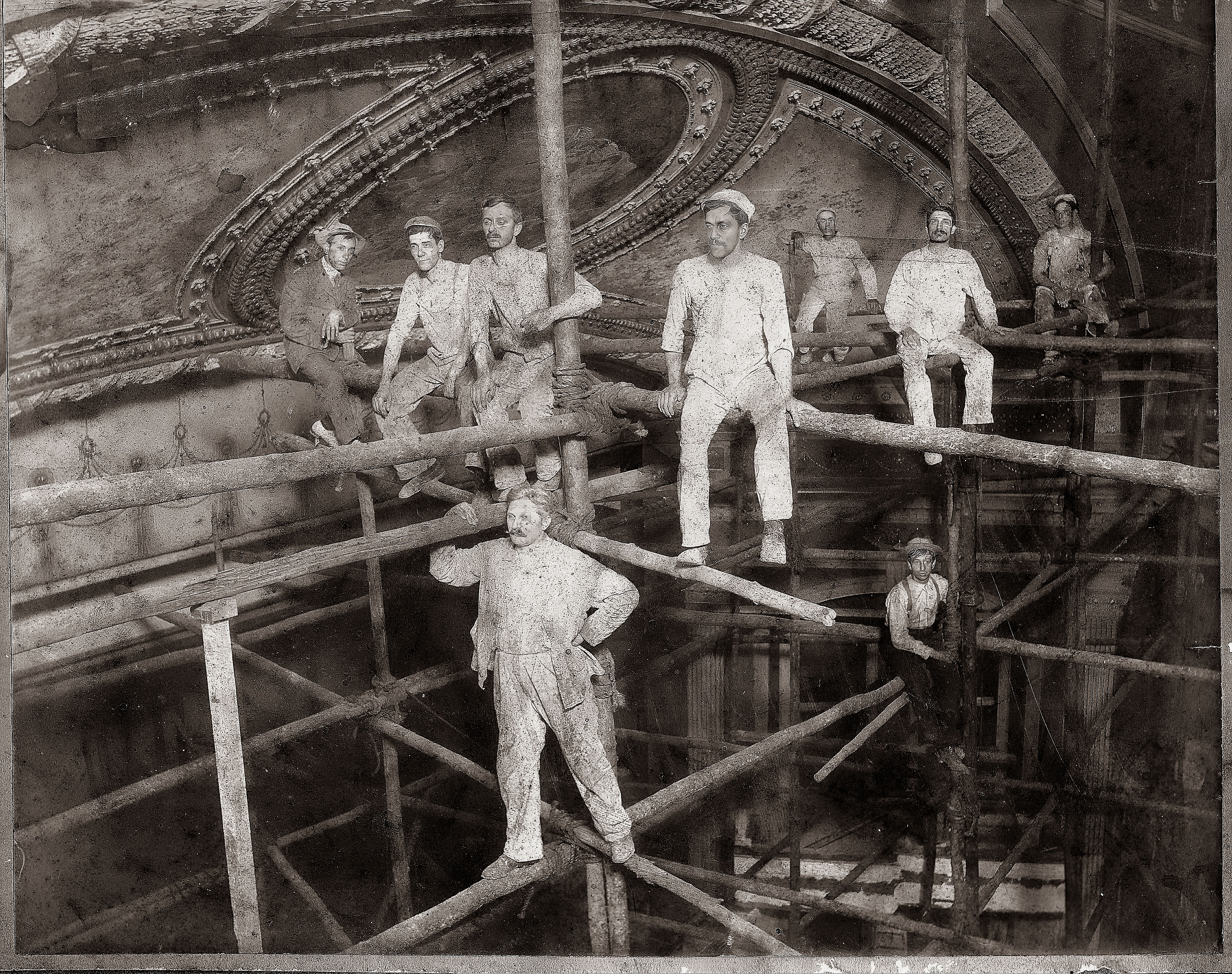
The New Grand Opera House could house up to 1,850 patrons, had its own phone number (176), and boasted a striking proscenium arch featuring a mural by Frederick S. Challener. Equipped with electricity and impressive stage technology, the Grand was the largest stage in Canada and attracted the finest artists and productions from around the world.
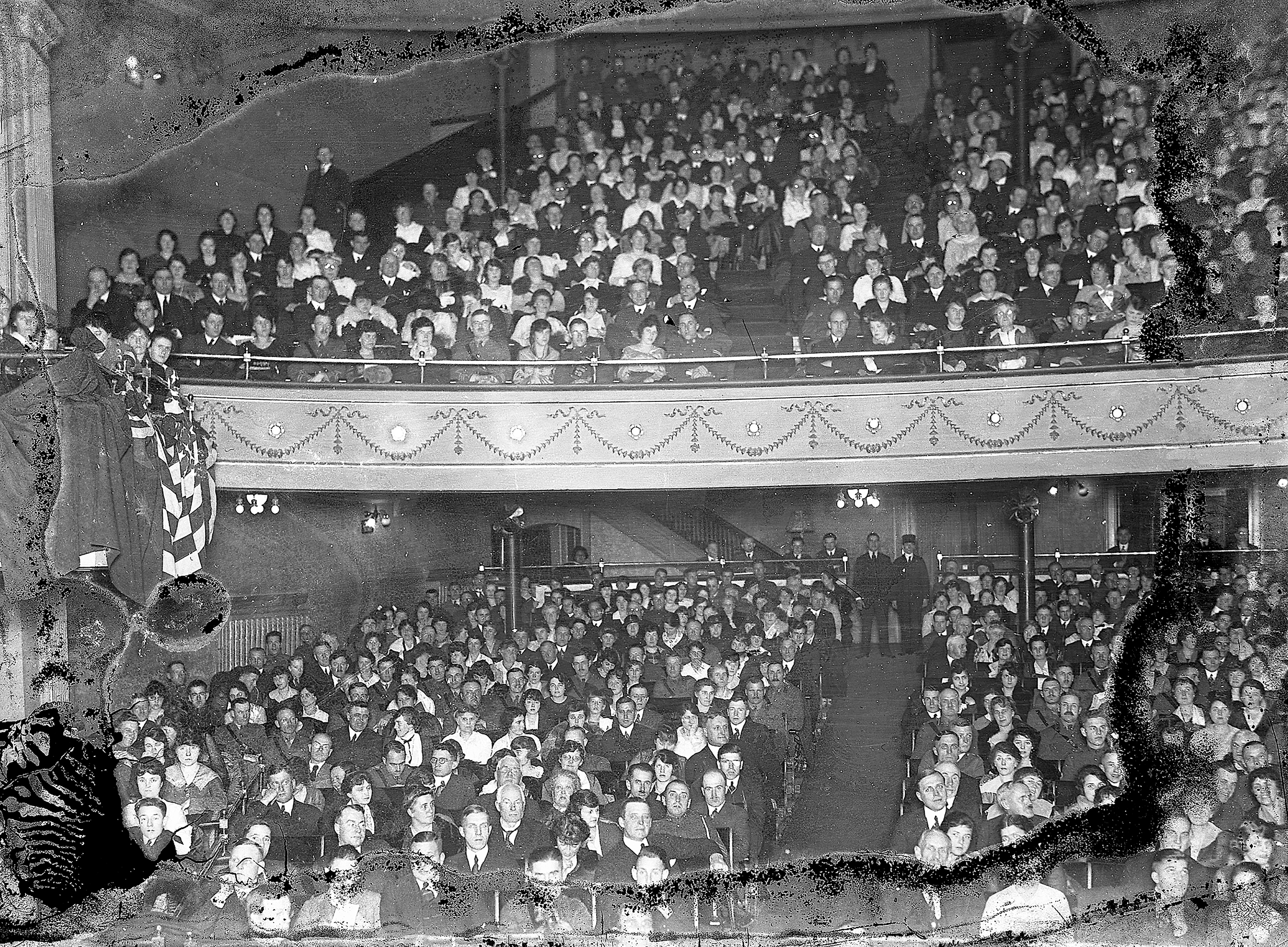
The Grand was a symbol of London's growing confidence. More than 125 years later, this remarkable building continues to welcome audiences through the same doors, reminding us that great theatres are built not only of brick and stone, but of the people who fill them.
“The surprise that greeted a large and fashionable audience last night was a pleasant one, when they [saw] the new Grand.”
The Daily Free Press, September 10, 1901
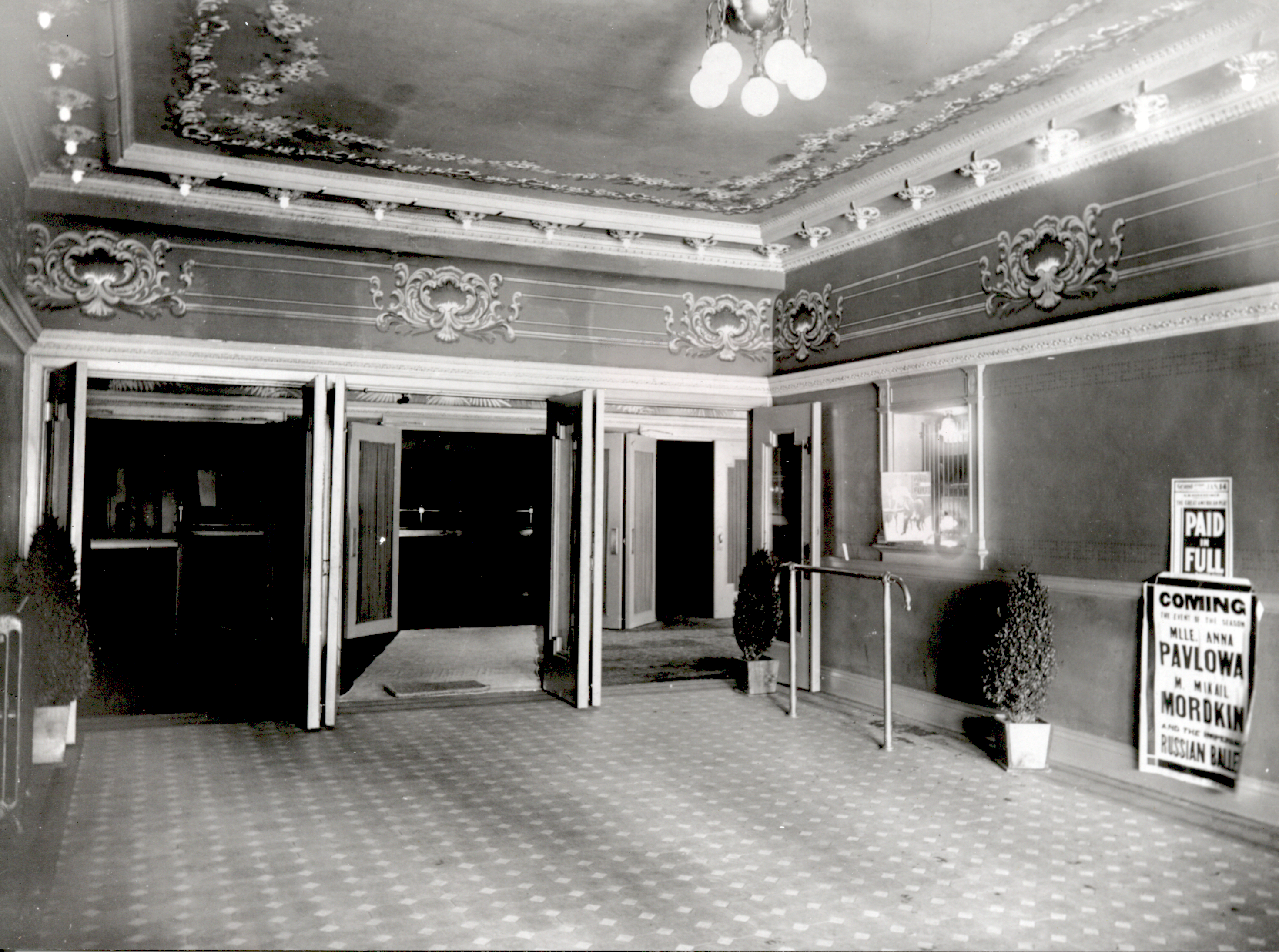
1919
The Man Who Vanished
History, Mystery, and the Legend of Ambrose Small
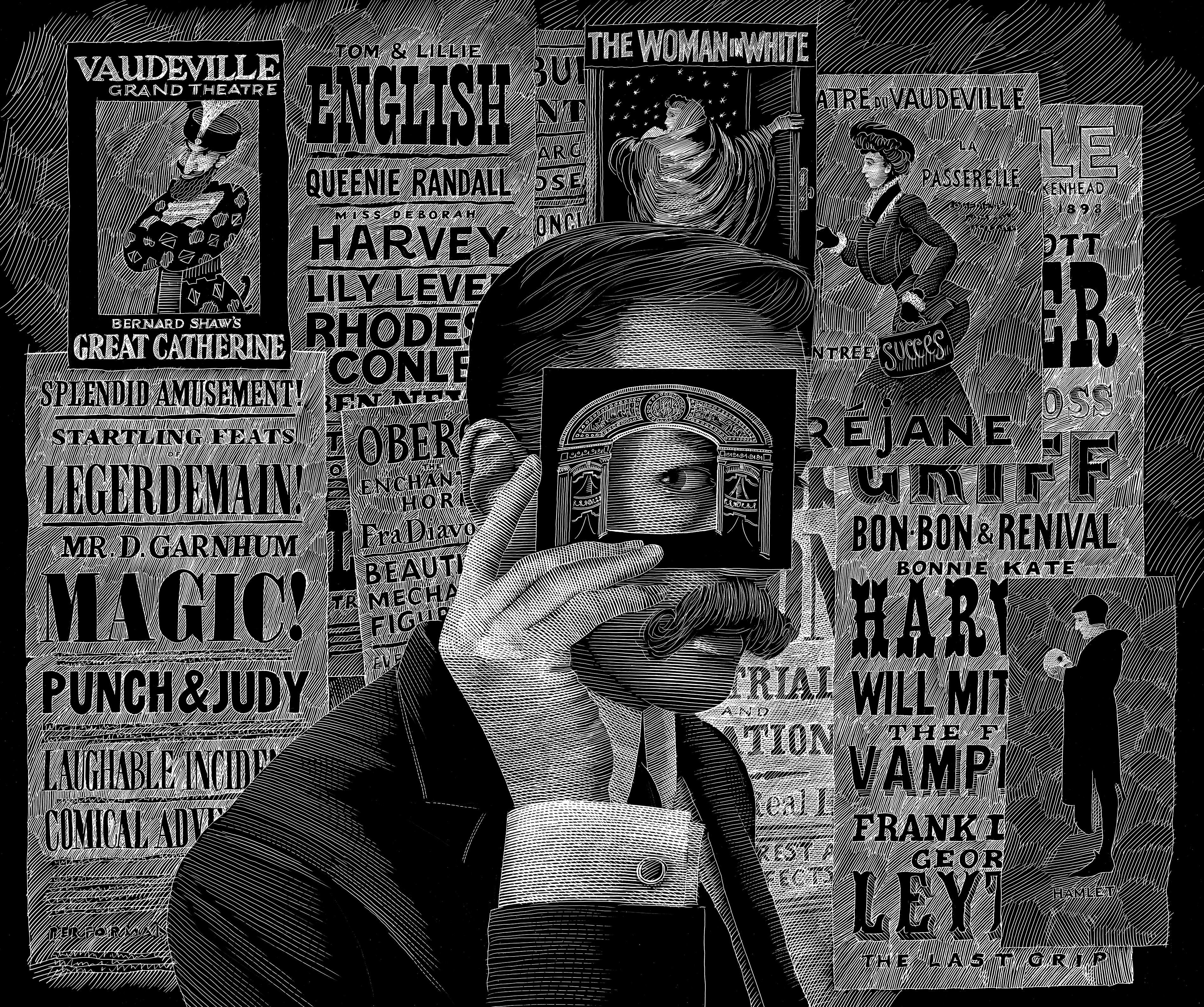
Ambrose J. Small was one of Canada's most influential theatre owners and owned an extensive network of theatres – many going by the “Grand” name. He is often quoted claiming London’s New Grand Opera House as his favourite. Small wielded his powerful network to attract acclaimed productions and celebrated performers and helped establish London as an important stop on the North American touring circuit.
"He was last seen outside Toronto's Grand Opera House... He was never seen again."
Let's Go to the Grand
In December 1919, just one day after selling his theatre empire, Small disappeared without a trace. Despite one of Canada's most famous missing person investigations, no one has ever discovered what happened to him. His disappearance captured headlines across the country – and sparked a legend that still lingers within these walls.
For generations, performers, technicians, volunteers, and staff have shared stories of unexplained footsteps, sudden cold drafts, mysterious figures in the audience, and glimpses of a man in a bowler hat. Whether these encounters are fact, folklore, or simply part of theatre tradition, they have become woven into the Grand's identity. Like every performance staged here, each story has been passed from one generation to the next, reminding us that some mysteries refuse to take their final bow.
“I looked out into the audience and saw a man with a bowler hat sitting in about the third row. Every time I looked, he had moved several rows back and when I reached the auditorium he was gone. That was the only time I ever saw Ambrose J. Small.”
Tom McCamus, actor
Some stories can be documented. Others can only be remembered. At the Grand, both have become part of the building's history.
World Premiere
Grand Ghosts
By Trina Davies
Directed by Jillian Keiley
October 18 to November 5, 2022
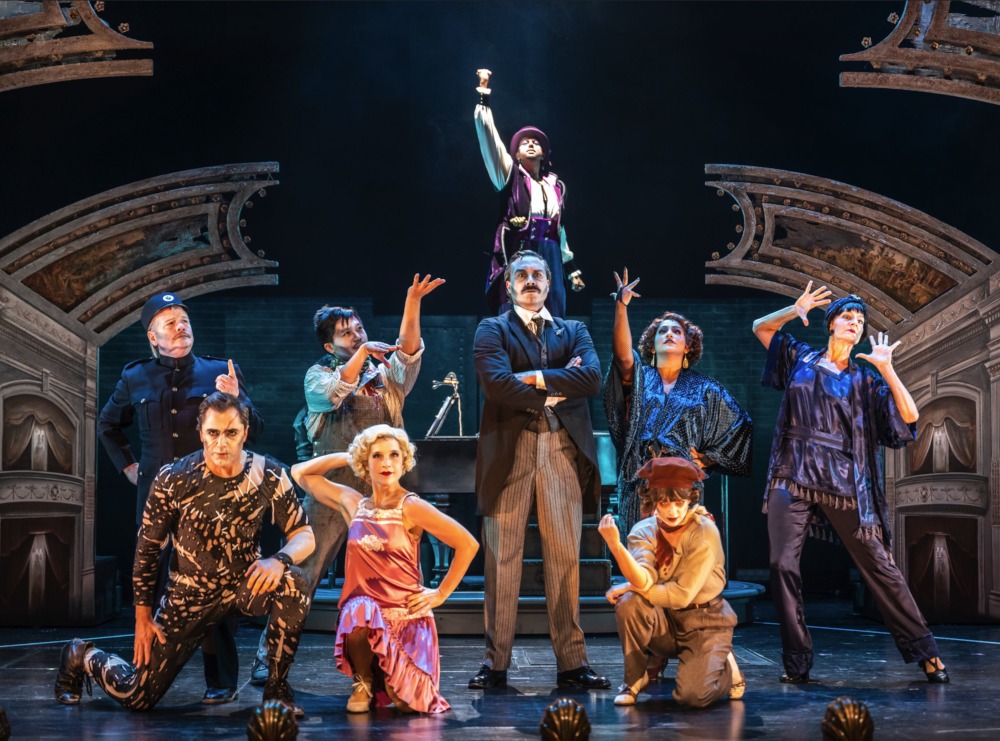
In 2022, the tale of Ambrose Small’s disappearance played out on the Spriet Stage in a world premiere vaudeville spectacle written by Trina Davies and directed by Jillian Keiley. The comedic interpretation of Small’s story speculated that every Halloween, the ghosts who haunt the Grand return to relive what actually happened on that fateful day, over a century ago.
1920-1933
HYBRID STAGE AND MOVIE HOUSE ERA
After the sale of the Grand and the famed disappearance of Ambrose J. Small, John Mihinnick – the Dean of Canada’s showmen – saw the Grand through changes of ownership and competed for audiences with radio and film. The Grand screened movies, explored “movie technology in combination with stagecraft,” and continued to offer live theatre.
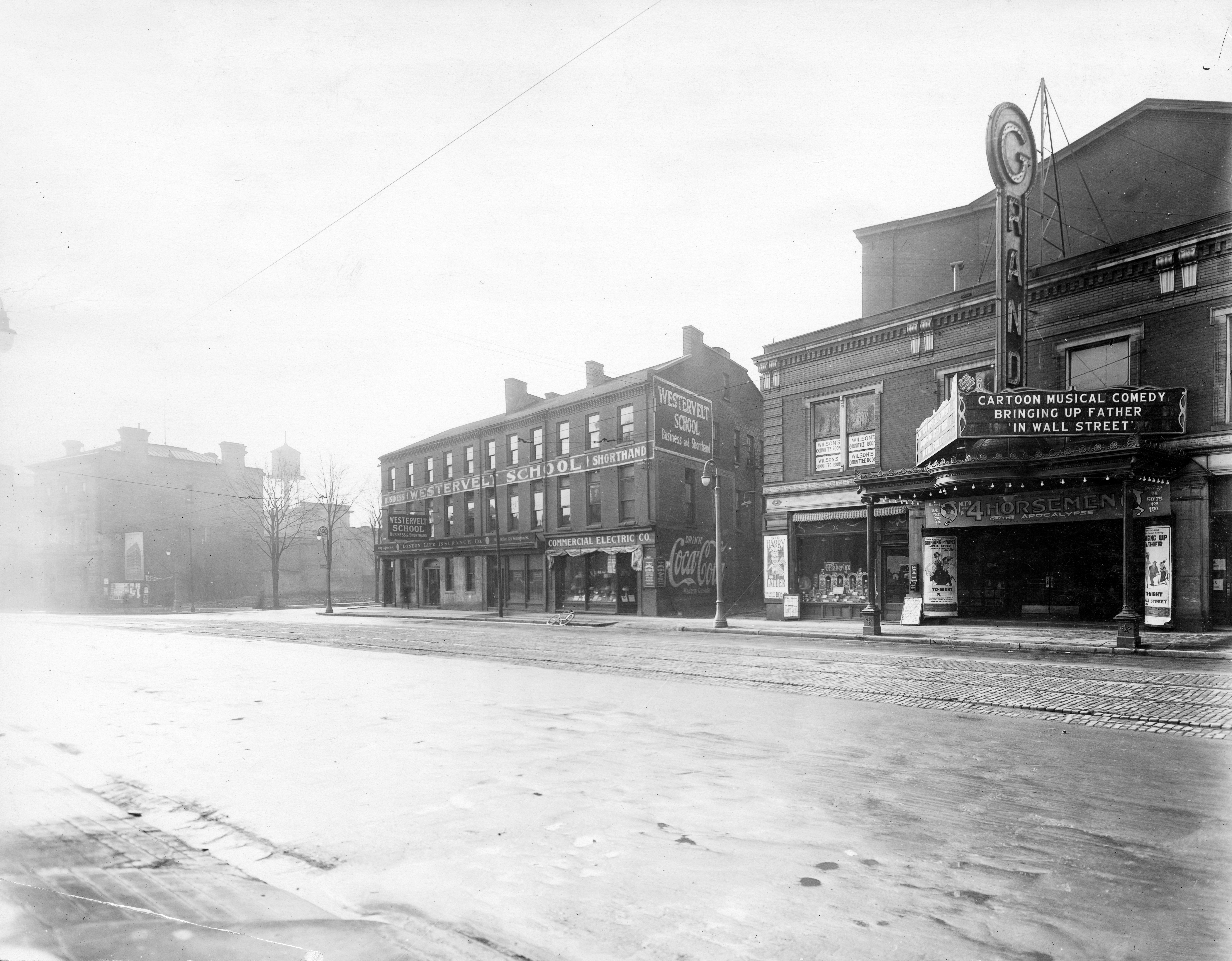
The world of entertainment changed dramatically in the early 20th century. Motion pictures captivated audiences, and the arrival of "talkies" transformed theatres across North America. To remain relevant, the Grand had to evolve.
During the 1920s and early 1930s, the building underwent one of its first major architectural transformations. The upper balcony was removed to make way for a modern projection booth, allowing the Grand to present films alongside live performances. These changes reflected more than new technology; they demonstrated a willingness to embrace the future while preserving the theatre's role as a gathering place for the community.
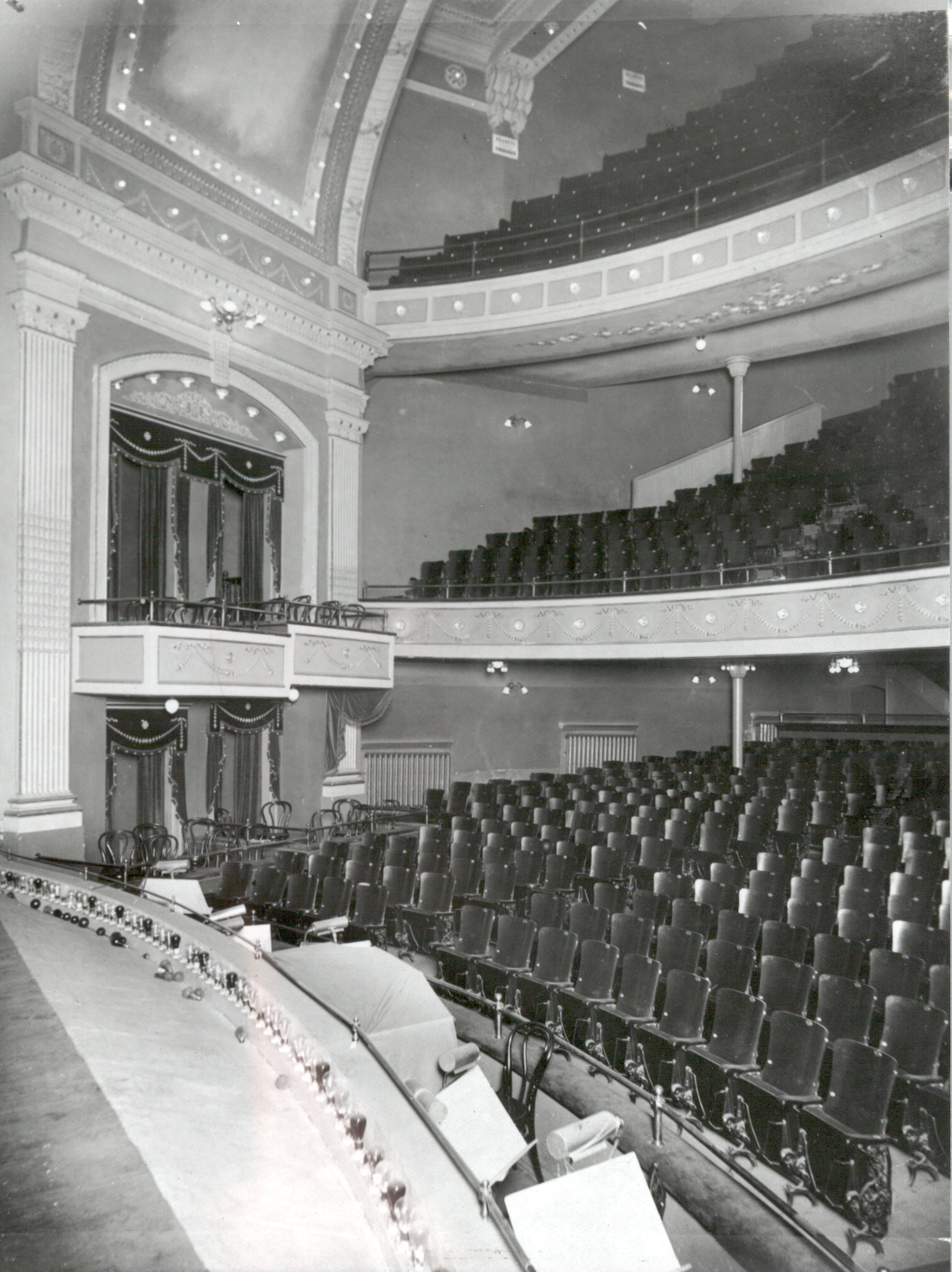
Although the auditorium looked different, its purpose remained the same. Audiences continued to fill the seats, sharing laughter, suspense, and wonder beneath the same ornate ceiling. By adapting to changing times instead of resisting them, the Grand ensured that its story – and the tradition of coming together to experience live entertainment – would continue for generations.
Dean of Canada’s Showmen
Londoner John R. Minhinnick helmed the Grand as manager from the days of Ambrose J. Small’s ownership in the early 1900s into the early years of London Little Theatre. He saw the theatre from the days of hundreds of touring companies to WWI, the depression of the 1920s, competition from radio and film, the founding of the Grand Theatre Stock Company, and the subscription model begun by London Little Theatre that Londoners continue to love today.
Richard B. Harrison
London talent, World fame
1864-1935
Pulitzer Prize-winning play, The Green Pastures, ran for more than 1,650 performances including 16 months on Broadway, 19 weeks in Chicago, and three nights in London, Ontario – all with the same, original company of Black artists, and always led by Richard B. Harrison in the starring role of De Lawd (The Lord).
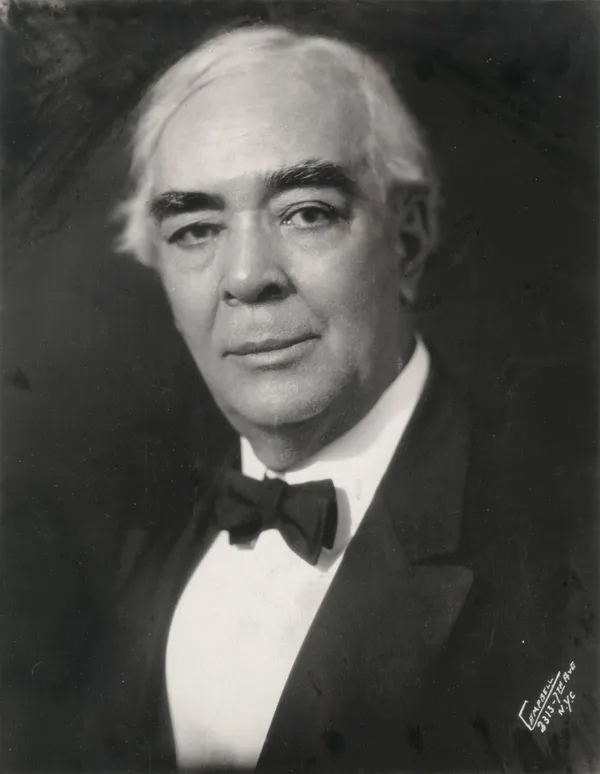
Born in London, Ontario to parents who had escaped slavery in the 1850s, his mother gave him the name Richard after seeing a performance of Shakespeare’s Richard III. He showed early interest – and talent – for the performing arts. Throughout the majority of his career, he faced significant racism as a Black artist and did not breakthrough to stardom until his reign as De Lawd in his 60s. He is recognized by the NAACP, numerous top-tier universities, and has libraries, schools, and parks named in his honour – including Richard B. Harrison Park located near his childhood home here in London. He was featured on the cover of Time Magazine just ten days before his passing.
When The Green Pastures arrived in London by train, Harrison was greeted at the station by the Mayor, who went with him to visit where he used to live, and awarded him the Freedom of the City.
Listen to Elocution: The Life of Richard Berry Harrison, an audio play by Jeff Culbert and starring Walter Borden
Read “Heaven on Earth” in Time Magazine (March 4, 1935)
1934-1971
LONDON LITTLE THEATRE ERA
With ticket sales down during the Great Depression, local theatre companies banded together to become London Little Theatre, adopting a subscriptions-only approach to ticket sales that allowed them to raise funds to support the season. A decade later, London Little Theatre purchased the building and became the first amateur theatre company in Canada to own their theatre. In 1952, rumours of a supernatural being living within the Grand began to circulate.
In 1934, four local community theatre groups came together with a shared vision: to ensure that live theatre would continue to thrive in London. Their partnership created the London Little Theatre, marking the beginning of a new chapter in the Grand's history – one shaped not by theatre owners, but by the community itself.
For nearly four decades, volunteers, performers, craftspeople, and audiences poured their time, talent, and passion into the theatre. They earned “a room full of Dominion Drama Awards” and had the distinction of being the largest amateur theatre group in the world. During the London Little Theatre years, the Grand teemed with theatrical art and entertainment – London Little Theatre seasons, as well as dance, concerts, entertainers, and touring productions.
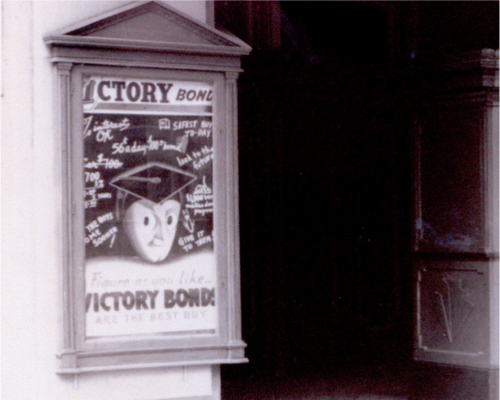
During the difficult years of the Second World War, London Little Theatre donated proceeds to the Red Cross, welcomed service members into the audience, and took performances to military bases, offering moments of laughter and escape when they were needed most.
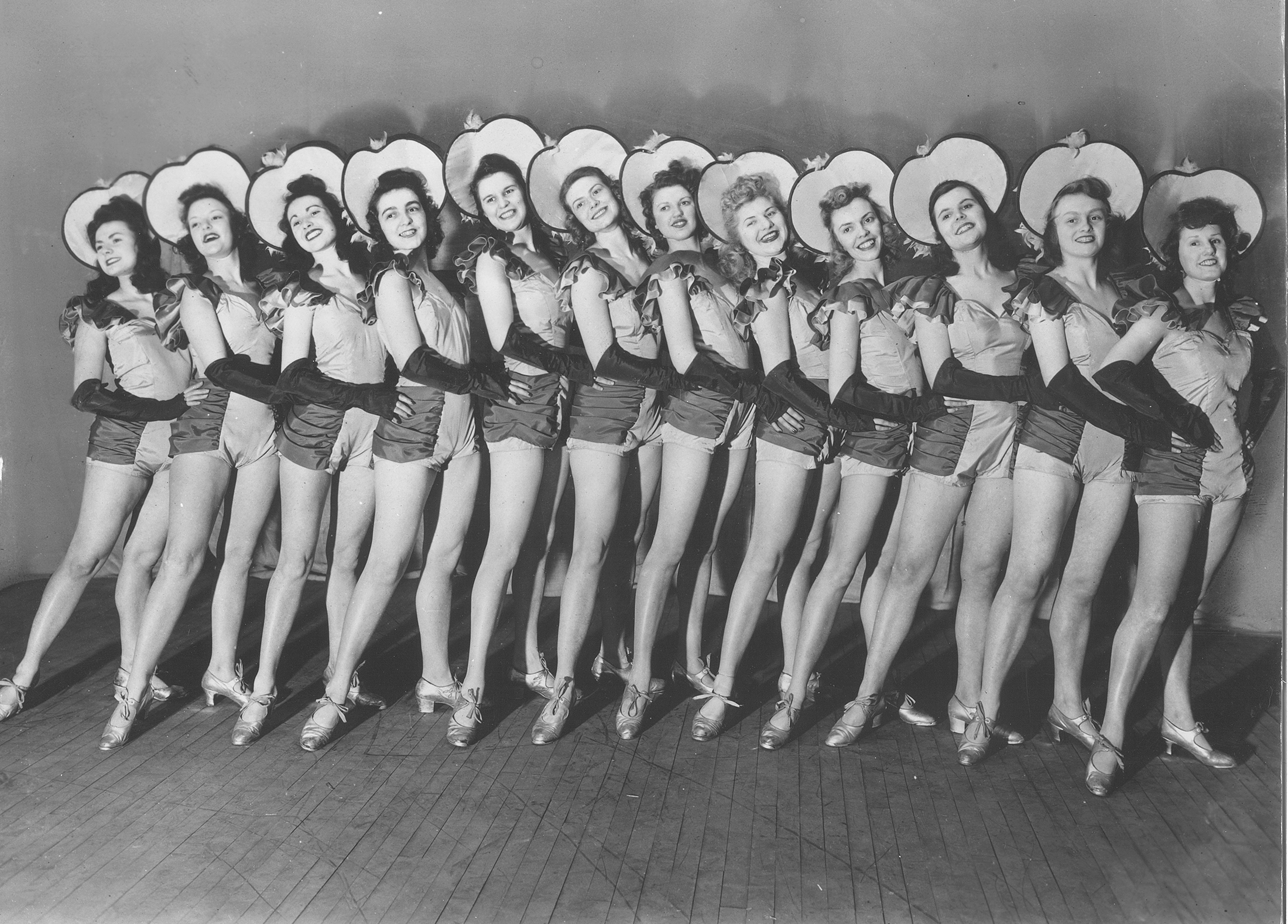
“It is to you 250 people who, since the outbreak of war, have given your time and talents to entertain the troops, that I wish to pay tribute. Your services have been given gratuitously – your contribution – magnificent! Last year you entertained 77,000 men in uniform.”
Chairman of the Citizens’ Auxiliary War Services Committee, 1942
Long before it became the Grand Theatre that we know today, the theatre belonged to the people who built sets, sold tickets, stitched costumes, applauded from the audience, and believed that theatre could bring a community together.
1971-1985
THE THEATRE LONDON ERA
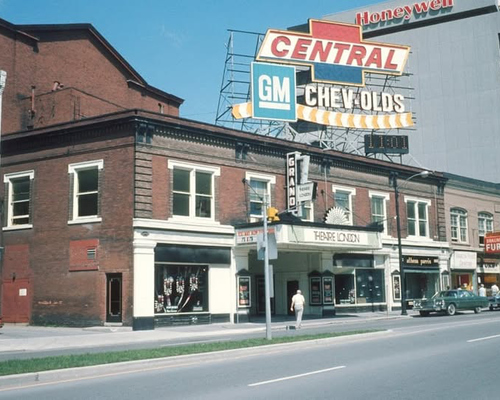
After 37 years as the home of an amateur theatre company, the Grand would become a professional theatre, Theatre London, helmed by Artistic Director Heinar Piller. Piller felt that the building needed to keep pace with the exceptional art on stage, and a major renovation took place from 1977-1979, adding a second stage, the McManus Studio Theatre, and demolishing much of the old building except for the main stage and its famed proscenium arch. In 1983, Theatre London became known as the Grand Theatre forging an inseparable bond between the building and the professional theatre company that calls it home.
"I went to look at the theatre, which was grand but crumbling, the type of building which...needs to be preserved. Then I looked at the facilities around it, which were exceptional, with possibilities in terms of space which many other regional theatres couldn't even begin to believe. London seemed to be ideal for me."
Heinar Piller, Toronto Star
"When the curtain finally came down… everyone on stage… made sure they shook the hands of each departing patron."
Let's Go to the Grand by Sheila M. F. Johnston
The final performance before construction became part of Grand Theatre legend. As the curtain fell on School for Wives, the cast, crew, and staff gathered on stage wearing construction hard hats and invited the audience to join them in singing "Auld Lang Syne." Afterwards, they stood in the lobby to personally thank every departing patron before the doors closed for renovation.
It was not an ending. It was a promise that the Grand's story would continue.
1986-present
THE GRAND THEATRE ERA
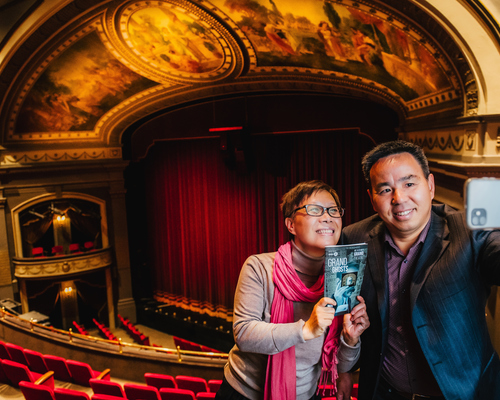
Following tremendous growth and tremendous debt, the Grand Theatre company wiped the slate clean in 1986, marking a period of financial strength. For five decades and counting, the building has been London, Ontario’s regional professional theatre. In 2017, an historic $1M donation from Andy and Helen Spriet inspired the renaming of the main stage to the Spriet Stage.
When the COVID-19 pandemic brought theatres around the world to an unexpected standstill in 2020, the Grand faced one of the greatest challenges in its history. Performances paused, but the work of renewal continued. An extensive renovation modernized public spaces, improved backstage facilities, and prepared the theatre for a new era. When audiences returned, they found a familiar landmark—refreshed and ready to create new memories.
On closing the theatre, March 13, 2020:
"It was a rollercoaster of emotions. What does this mean for the future of theatre? Is this going to be two weeks? Is this going to be three years?”
Daniel Bennett, Grand Theatre Technical Director (2018 – 2022)
In May 2020, the murder of George Floyd stirred a global racial reckoning. One year later, news broke of the horrific discovery of mass, unmarked graves at the sites of former residential schools. The Grand Theatre felt compelled to examine the theatre’s own history and complicity in systemic racism.
“… we are reading the scripts of the past, present, and future; we are rehearsing, taking notes, going back into the ‘rehearsal hall,’ and examining how we must put these notes into practice.”
E.B. Smith, Artist & Consultant
Equity, Diversity & Inclusion, and Reconciliation at the Grand
Creating art requires establishing a space in which everyone feels that they have a place and in which everyone’s voice is encouraged. Only then is it possible for people to be free to take the big risks that art-making requires, bringing all of themselves to everything they do.
Re:Opening
The Grand Re:Opening Festival was a 16-day live arts celebration held in Fall 2021, marking the historic return of live indoor theatre to London, Ontario and the unveiling of the Grand's $9.5 million renovation.
With the purpose of creating and staging bold new work, the Grand handed the keys to the newly renovated theatre to four local artists: Alexandra Kane – artist, music director, lead activist for Black Lives Matter London, and founding member of Black London Network; Mark Uhre – accomplished actor, singer, dancer, and visual artist; Richard Gracious –singer, songwriter, and band frontman; and Summer Bressette – proud Anishinaabe storyteller, curator, and teacher. Megan Watson was the Festival Director.
“...We’ve said that we will be back, that the theatre will return, and when we do, we will be even better than before. Today, we are following through on that commitment.”
Deb Harvey, Grand Theatre Executive Director (2000 - 2022)